

Gutter Downpipe Repair
Gutter downpipes play a vital role in any gutter system. They effectively transport water out of the guttering and onto the ground. They can protect a structure from water damage, but require regular maintenance and cleaning.
If a downpipe gets damaged, it is crucial to fix the problem promptly by a roof plumber. Here are some suggestions to help you with your gutter downpipe repairs
Get rid of the Old Downspout
Gutter downpipes are vital to direct rainwater away from your foundation away from it, thus preventing erosion and water damage. Sometimes, they can become blocked or damaged causing water to pool at the base or cause leaks.
Gutter downspouts are curving at both the top and bottom to better capture and disperse rainwater, and they have a special hole that connects them to your gutter system. These holes are typically closed to prevent leaks and a buildup of debris that can prevent rainwater from getting through the downpipe.
Hangers, which are usually screws, secure the downpipes to the guttering system. You can remove the screws, but you must be cautious not to remove the downpipe from the guttering system as it could cause further damage.
Once the downpipe has been disconnected from the guttering, you can remove it and put it away to be cleaned or removed. If your downpipes are old or in poor condition they may require replace them. There are a variety of downpipe sizes, materials, and finishes to pick from for your gutter system. The right downpipe size will ensure that your gutter system is able to cope with the amount of rainfall without clogging or spilling.
You can also increase the performance of your downpipes using gutter extensions. This is a simple DIY project that will help stop water from pooling near your home's base and protect your home against water damage.
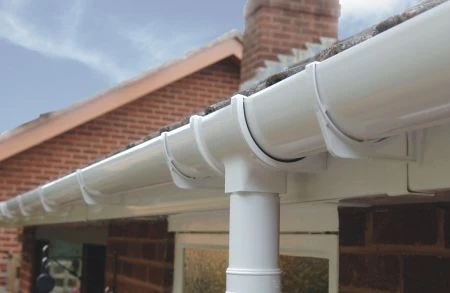
Downpipe bends are often used to create an "swan neck" shape for your downpipe, redirecting the flow of water and preventing it from draining close to the house. These bends can be made of plastic or metal. Be sure that they are the right size for your guttering and weather conditions.
The internal stopend is placed just after the outlet of a downpipe to stop the guttering from filling at the end. This is a good opportunity to determine if the internal stopend is blocked by dirt or other debris.
Clean the Downspout
The downspout is an essential component of your gutter system, therefore it should be in good working order in order to allow water to flow smoothly. If your downspout is blocked, you might find that your gutters are bursting. A little amount of excess isn't an issue, but a completely clogged downspout can be a problem.
If Downpipe Services barnet RepairMyWindowsAndDoors is clogged then you'll need to climb up on your ladder and clean it. Before doing that however, you'll be required to ensure that your ladder is set up safely. You can ask your helper (preferably someone who is able to exert pressure) to hold the ladder as you climb it. Then, have them provide you with a garden hose. Place the hose end into the downspout's spout's opening and switch on the water. The water flow should push out the blockage. If it doesn't, you may require to increase the water pressure a bit or try a different method.
You'll need to use an air blower or wet-dry vac to clear the accumulated debris in the downspout. You could also make use of a drain auger to dislodge the obstruction if you have one stored away. If this isn't working, try sending a stronger stream of water down the downspout with the power washer.
You can also try to manually remove the clog by hand if the obstruction isn't too severe. Begin by working your way down downspout starting at the top. Be aware that the gutter downspout may be clogged with muck due to years of decaying leaves, and you could get covered in muck as you try to remove it. Once the clog has been removed, your downspout will be clear and water should flow freely from it at ground level. If not, you'll need to clean it again before your gutter system is able to drain properly. This is something you need to perform regularly to avoid clogging.
Replace the Downspout
The downspout is the pipe which carries rainwater from your gutters to the ground. Downspouts can empty into a rain barrel or garden feature or into an underground drain pipe leading to a storm sewer or septic tank. No matter where they empty, they need to direct water away from your home to avoid foundation and basement damage, and prevent rotting and leaks.
Gutter downpipes are available in a wide range of sizes and materials. They are designed according to the roof size, gutter length and local climate conditions. To avoid clogging, it is important to regularly check and clean downpipes. Look for cracks and broken sections in the downpipes. These are signs of serious issues that require professional attention.
A clogged drainpipe could cause gutters to sag or even collapse. To clean a downspout, reach the top using the ladder, using extreme caution and enlisting an assistant to hold the ladder in a secure manner. If you notice an obstruction in the downspout area, use a hose and clean it so that it can drain. If it's completely blocked you'll need to take it off and replace the downspout.
Drop outlets (also known as downspout outlets) are used to connect gutters with downspouts. The outlet is a small piece of hardware that allows downspouts to extend out from the gutter. If the gutter doesn't already have a downspout installed, make an insignificant hole. Then coat the lip of a new downspout outlet with gutter sealant, and insert it into the hole you created in the gutter.
When you are reattaching the downspout back to the gutter Use sheet metal screws instead of nails. Also, you should install brackets that are compatible with your gutter system. For example metal gutters utilize straps that secure downpipes to the wall, while vinyl gutters come with metal downspout brackets that connect into the side of the gutters.
Begin with a short piece of gutter to connect the downspout. It should be the same length as the elbow connected to the downspout. Each elbow and downspout has an area on one side that is "crimped" or squeezed. Make use of a gutter crimper make the edges crimped so that it is able to fit inside the other elbow.
Repair the Downspout
Gutter downpipes are exposed the elements and over time will wear down, particularly where they join with other gutter components. The joints may become loose or separate, which can cause leaks due to dirt being dragged into the seals. With the right tools and understanding this issue is simple to repair. It is essential to regularly check your guttering system and downpipes to prevent problems with clogging, water standstill and leaks.
The downpipe is the final stage of a guttering installation that redirects rainwater to an outlet, soak well or other drainage system to avoid flooding. It is essential to connect your stormwater downpipe and soak it well to ensure that stormwater is not draining into other areas of your house or garden.
If your downpipe is leaking it's likely that the cap at the end cap has fallen off or has been worn away. This issue can be resolved by applying Gutter Sealant on the inside of the downpipe where it joins with the gutter. Wearing gloves made of latex, you can then apply the sealant to the area.
Another reason that downpipes may leak is when the gutter isn't properly pitched. The gutter may have to be removed and the downpipe repitched before it can be remounted. This can be done easily enough with a ladder but remember to use extreme caution when working at heights and always have someone to hold the bottom of the ladder.
Downpipes may also leak from other areas of the guttering system, such as, at the elbow or at the end caps. If this happens, a small hole in the guttering system can be repaired by using gutter sealant. Tap the sealant into the joint with your fingers and then press it into the joint while wearing latex gloves.
Leaks around the joints of downpipes is usually caused by paint or rust rubs off. This can be fixed by scraping away the old paint or rust and applying gutter sealant to the area that must be sealed. It is important that the sealant for gutters dry completely and isn't contaminated with other materials, such as dust or dirt.